
Why eyewear is hard to photograph
Eyeglasses and sunglasses combine nearly everything a camera struggles with — transparency, mirror finishes, high gloss, thin metal and strong contrast — often in one small object.
Every frame needs different settings
A shiny black acetate, a crystal-clear frame and a vivid translucent one each need different lighting and exposure. Across a whole catalogue, consistency is close to impossible.
Lenses are usually painted in
Mirrored and tinted lenses are typically retouched afterwards, so they rarely show the lens’s real colour — and shoppers have learned not to trust them.
The workarounds limit the shot
The tricks that make eyewear photograph well also limit which angles and lighting are possible.
The same frame, photographed and rendered
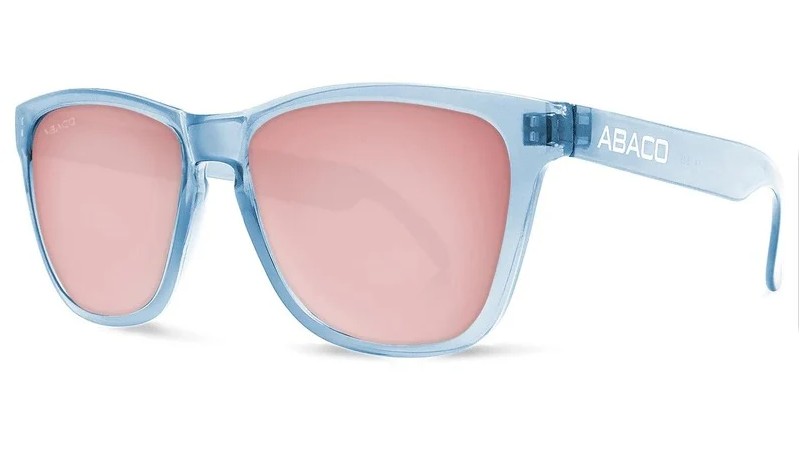
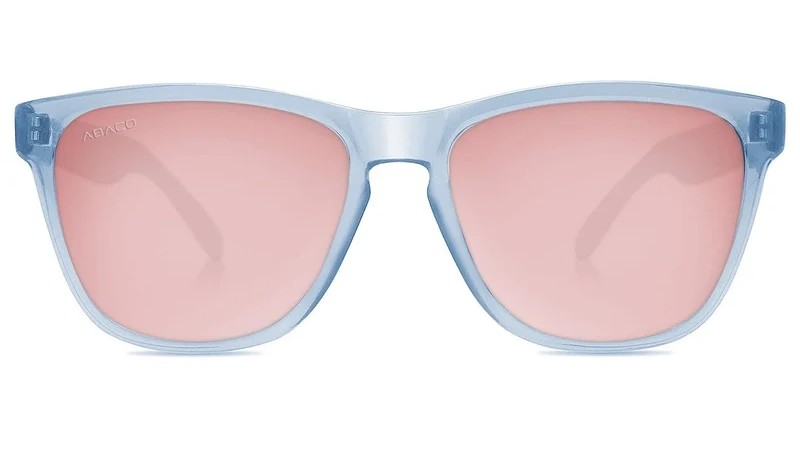
- Photograph: lenses retouched and not true to colour; flat, overexposed image; glossy details lost.
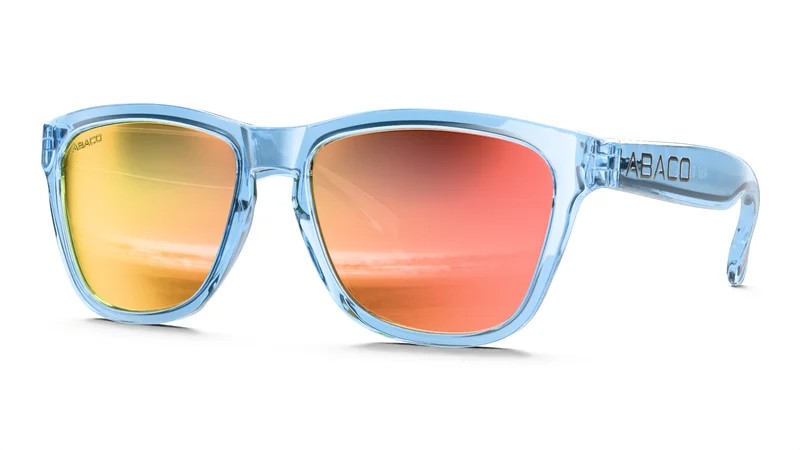
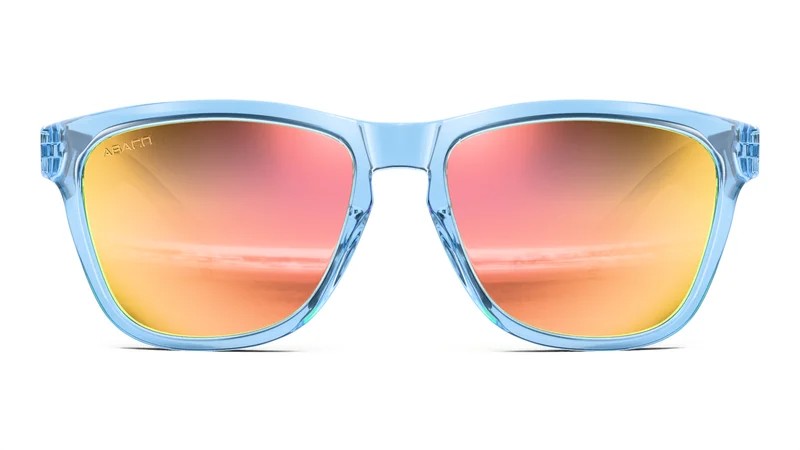
- Render: lenses show the real mirror coating; colour and contrast intact; gloss on the logo visible.
What a render does differently
Lighting is set per material instead of compromised per shot, every frame in the catalogue is lit the same way, and the lens is an optical surface rather than a retouched layer. More on digital twins.
← All info · Demos · Contact